
The Silent Fear We Never Speak About
It happened quietly, without a dramatic moment, without a tragedy, without anyone's advice — a thought that slipped into me weeks ago and refused to leave:
Are we really afraid of snakes, lions, deep water… or are we just afraid of death itself?
When this question arose, it felt like something snapped open inside me.
I tried saying it out loud at home. A simple word — death. But the reaction it created was much bigger than the word itself.
My mother's face tightened. My wife instantly became uneasy, as if the atmosphere had changed from warm to cold. Both insisted I say "Budhthu budhthu" — the Indian ritual to cancel the negative.
I realized then… we do not fear death because we understand it. We fear it because we refuse to look at it.
Our First Memory is Not Love… It's Fear
As children, the world teaches us what to touch, what to avoid, what's safe, what's dangerous. Every "don't" becomes a building block in our memory.
Slowly, layer by layer, we start dividing life into: • good and bad • safe and unsafe • acceptable and unacceptable
And without realizing it, we begin to judge — not because we're wise, but because our memories have been trained to react before we even think.
Then something happens in life — something unexpected, unwanted, unplanned — and our inner resistance activates.
The body tightens. The mind protests. The heart withdraws.
And that is where anger is born. Followed by stress. Followed by anxiety. Eventually giving birth to ego — the loud voice inside that says:
"This should not happen to me."
A Simple Example That Reveals a Bigger Truth
Imagine you've planned a long-awaited trip. Leave approved. Bags packed. Mind already in holiday mode.
Just before you leave, your manager cancels your leave and assigns work.
It's not the task that breaks you. It's not even the manager.
It's the resistance inside you.
The part of your mind that refuses to accept what's happening. The part that screams, "Why me? Why now?"
But the moment you accept the situation fully — not happily, but truthfully — something softens inside you.
No anger. No ego. No battle.
Just peaceful clarity.
Acceptance doesn't make life easier. It makes you easier with life.
The Ultimate Resistance: Death
Then the realization came to me like a whisper:
Every emotion we struggle with is rooted in one resistance — the resistance to death.
Think about it.
Fear exists because we don't want to die. Anger exists because something threatens our sense of control, which again is tied to survival. Ego exists because the mind wants to protect the identity it believes must live forever.
But have we ever really sat and looked at our own death?
We know it will come. We see it happen around us. We speak about loved ones who are gone. We even pray for peace for their soul.
Yet, when it comes to accepting our own death, the mind becomes silent, uncomfortable, defensive.
But here is the truth that shook me:
Accepting the certainty of death is the beginning of true life.
The Day We Stop Running
When someone close dies, the pain we feel is not just grief. It is the shock of reality — the collapse of the illusion that things should stay the way we want them to.
Some people fall sick. Some break down. Some never fully heal.
Not because death is painful. But because non-acceptance is painful.
In many parts of India, we decorate the bier with flowers, play music, and offer a gentle farewell. This tradition was never about drama. It was a practice of acceptance — a way to honor life by accepting its end.
But we have forgotten that meaning. We arrange the rituals, but internally, we still fight with reality. We still hope the dead will return. We still cling to what is gone.
The Deepest Truth I Learned
One day, while sitting alone, I asked myself:
"What will happen if I accept my death fully?"
Not as a concept. Not as philosophy. Not as fear. But as truth.
I sat with it.
And something inside me loosened… like a knot slowly opening.
That acceptance brought clarity — not sadness, not depression, but freedom.
The fear reduced. The anger softened. The ego became quieter. The noise in the mind faded.
Because once you accept the biggest reality, all other realities become small.
When death is accepted deeply, life stops being an emergency. Moments stop being battles. People stop being enemies. Situations stop being personal.
Life simply becomes… what it is right now.
And suddenly, that is enough.
The Truth Beneath All Truths
We live better when we remember we will die.
Death isn't the end. It's the reminder that life is happening now.
And acceptance — real, deep, fearless acceptance — isn't the end of living…
…it's the beginning of living fully.
DISCLAIMER
The views and opinions expressed in this article are solely my own and do not represent any institution, organization, or spiritual entity. This content is intended for personal expression and general reflection only. It should not be considered professional advice of any kind. Readers are encouraged to form their own interpretations and seek appropriate professional support where needed.
About Rakshith
Hi, I'm Rakshith — a tech educator, storyteller, and founder exploring the worlds of engineering, travel, wellness, and creativity. I believe learning doesn't stop at the classroom or the screen — it continues on highways, in temples, at beaches, and during quiet reflections. This space is my archive of experiences, experiments, and everything that makes life meaningful.
Enjoyed this article? Share it with others!
You Might Also Like
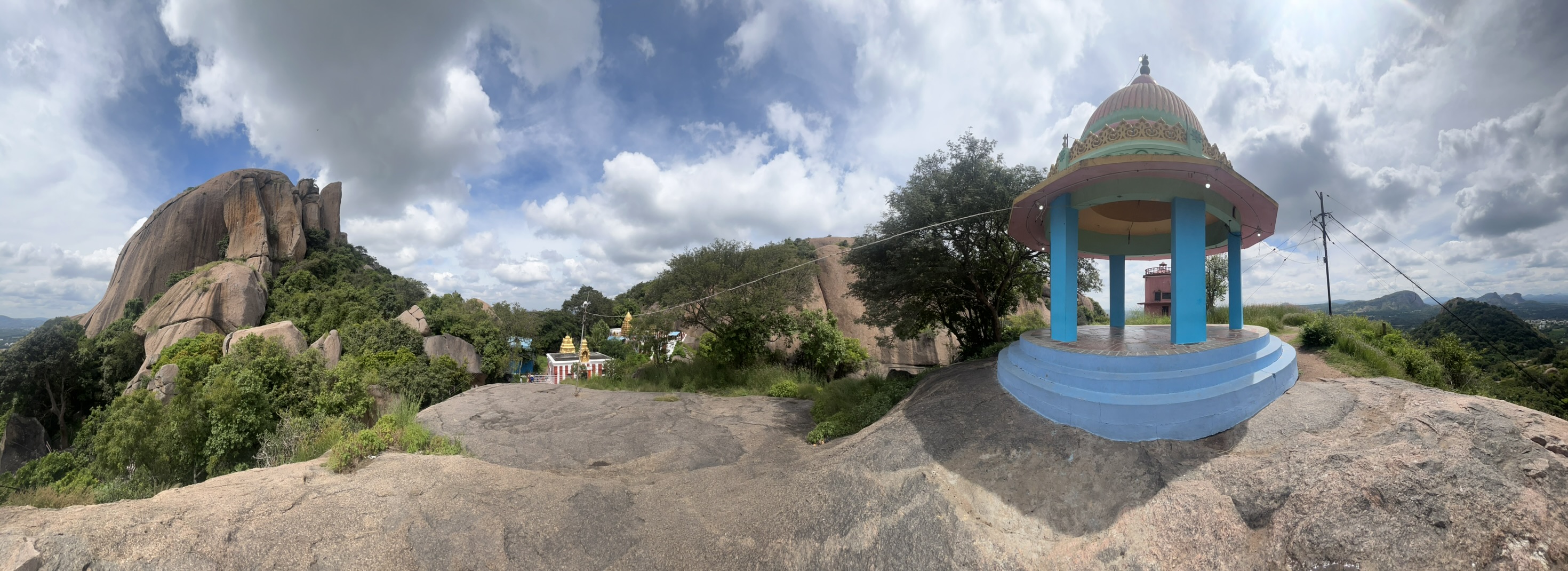
Ramadevarabetta: The Hidden Gem I Somehow Missed for 30+ Years
We humans are funny creatures. We travel thousands of kilometers to explore nature… but completely ignore the beautiful places sitting quietly in our own backyard. Here's how I discovered Ramadevarabetta after 30+ years.
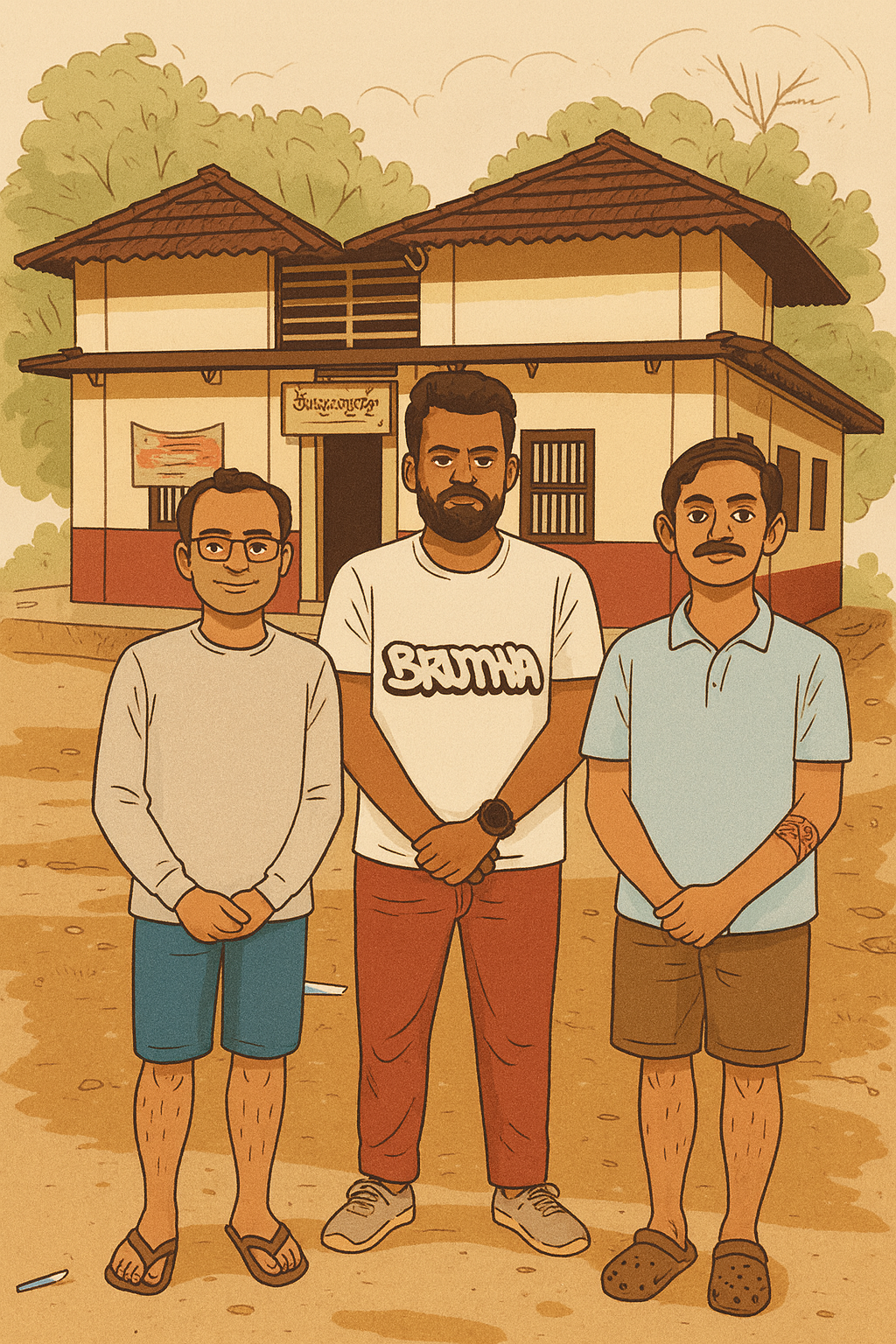
🎬 Coastal Karnataka Chronicles – Phase 2: The Cave, The Priest & The Night We Didn't Expect
Christmas morning at Udupi Sri Krishna Temple. Queue = 2 km. Waiting time = 4 hours. Did we wait? NO. We slid behind VIPs like CEOs of Udupi. Darshan done in 30 minutes. Skills > Tickets.
A Simple Memory Game — A Fun Project to Learn Frontend Logic
A beginner-friendly memory game project built using JavaScript that teaches DOM manipulation, state handling, and frontend logic, including leaderboard, timer, and matching mechanics.
Comments
Leave a Comment
Loading comments...